- Aftergods hardest difficulty runs on resource pressure: Nectar, gear, and preparation decide survival
- Divine vs. mortal forms: never enter a deadly zone without Nectar reserves for divine power
- Boss prep: scout terrain, pick the right shapeshift form, and always keep an escape route
- Co-op advantage: divide roles so one player pressures while others manage positioning
- Official detail status: Aftergods was revealed October 8, 2026; exact difficulty settings are still pending official confirmation
Understanding Aftergods' Hardest Difficulty
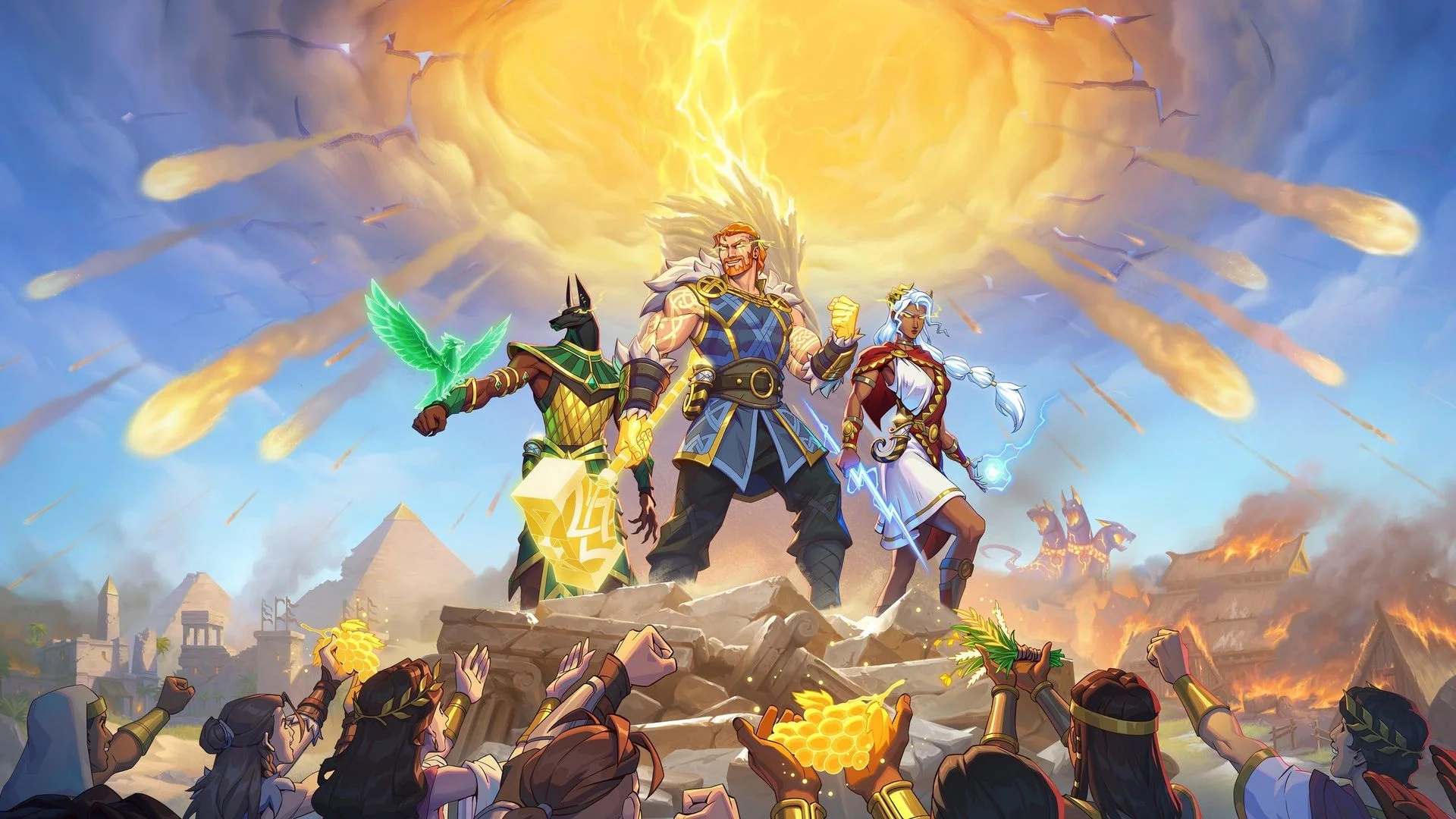
Aftergods is an upcoming top-down mythological open-world survival action RPG from Norsfell, announced on October 8, 2026. Because the game has not launched and a formal difficulty tier list has not been published, this guide treats "hardest difficulty" as the game's highest-pressure content: dangerous regions, giant monster encounters, and the moments when your Godborn is forced into mortal form with no Nectar left.
The core tension in Aftergods is the switch between divine power and mortal vulnerability. Nectar fuels your divine state, and on the hardest challenges, the single most common failure point is arriving at a deadly encounter with an empty Nectar reserve. Every strategy in this guide is built around avoiding that mistake.
As of October 2026, Norsfell has not published confirmed difficulty mode names or modifiers. Treat any specific "hard mode" claims outside official channels (Steam page and aftergodsgame.com) as unverified. This page will be updated once official details drop.
Where the Pressure Comes From
| Pressure Source | What It Does | Failure Risk | Mitigation |
|---|---|---|---|
| Nectar depletion | Drops you to mortal form mid-fight | Very High | Track reserves before every expedition |
| Dangerous regions | Higher encounter density and survival drain | High | Scout gradually, keep escape routes |
| Giant monsters | Large-area fights with terrain hazards | High | Match shapeshift form to battlefield |
| Supply exhaustion | No food or gear for the return trip | Medium | Pack for the round trip, not one way |
| Chained fights | Depleted state entering next encounter | High | Recover fully at base between engagements |
Hardest-difficulty play in Aftergods is a preparation cycle, not a reflex test. Equipment, food, Nectar, and an exit plan beat raw aggression every time.
Nectar and Form Management Under Pressure
Nectar is the strategic backbone of high-difficulty play. Managing the divine-to-mortal transition correctly separates players who clear hard content from players who repeatedly die in it.
Divine Form Discipline
- Spend Nectar only when it changes the outcome
- Save divine power for hard encounters
- Never treat divine form as unlimited
Mortal Form Survival
- Avoid unnecessary fights entirely
- Lean on gear and positioning
- Retreat to safe zones and reassess
Recovery Protocol
- Return to base after depletion
- Replenish Nectar before re-engaging
- Repair or replace worn equipment
Resource Priority Table
| Resource | Priority | Rule for Hard Content |
|---|---|---|
| Nectar | High | Check before leaving base and before every fight |
| Food | Medium | Reserve portion specifically for the return trip |
| Equipment | High | Usable gear before departure, spares for long trips |
| Building materials | Low | Never carry bulk materials through hostile zones |
| Emergency stock | High | Separate from expedition supplies entirely |
If you cannot name the reason you are spending Nectar right now, do not spend it. Reactive divine-form use is the fastest way to run dry before a boss.
Step-by-Step: Preparing for a Hardest-Difficulty Encounter
Use this preparation sequence before every major fight or deep expedition into dangerous territory.
Audit Your Reserves
Check Nectar levels, food for the round trip, equipment condition, and emergency stock. If any category is short, delay the run and restock at your base first.
Match Your Form to the Terrain
Review the encounter area. Phoenix for aerial routes and vertical terrain, Manticore for overland travel through rough ground, Siren for water approaches. Bring the form that also gives you an escape option.
Scout Before Committing
Observe monster movement and terrain hazards from a safe distance. Identify at least two exit routes before the first hit lands.
Engage in Windows
Take short attack opportunities instead of long exposure. On hardest content, sustained aggression without recovery windows is how expeditions end.
Reset or Withdraw
If Nectar drops below your safety threshold or gear fails, withdraw to base. A failed attempt costs resources; a death costs more.
Set a personal Nectar floor (for example, one-third of your reserve) that always triggers a withdrawal. Hard content punishes players who push one fight too far.
Giant Monster and Co-op Tactics on Hard Content
Giant monsters in Aftergods behave as environmental encounters, not just combat targets. The battlefield shape, your movement forms, and your team's role division matter as much as damage output.
Solo vs. Co-op Approach
| Factor | Solo | Online Co-op |
|---|---|---|
| Engagement style | Short windows, constant repositioning | Sustained pressure from a dedicated attacker |
| Form usage | One reliable escape form prioritized | Coordinated switches across air, land, water |
| Resource load | Everything self-carried | Shared supplies, divided gathering |
| Failure recovery | Withdraw and reset at base | Team can regroup mid-fight |
| Terrain control | Personal positioning only | Assigned players watch hazards and routes |
Solo Hard-Content Rules
- Prioritize mobility over damage
- Keep resources for multiple engagement windows
- Choose battles that match current progression
- Return and re-prepare instead of forcing a bad fight
Co-op Hard-Content Roles
- One player maintains pressure on the monster
- Others track movement routes and hazards
- Communicate form changes before crossing terrain
- Enter major engagements together, not staggered
Watch its movement pattern before closing distance. Adjust your approach as the fight changes—repeating the same attack pattern on hardest content is the most common cause of wipes.
Base and Follower Support for Hard Runs
Your settlement is your difficulty multiplier. A well-developed base with the right Followers shortens recovery time and keeps production running while you explore hostile regions.
| Support System | Hard-Content Benefit | Investment Timing |
|---|---|---|
| Temple core functions | Stable recovery and crafting point | Build first, before expansion |
| Storage organization | Faster restock cycles between runs | Early |
| Automated production | Reduces manual gathering pressure | Once resource cycle is stable |
| Automation Followers | Keep output running during expeditions | Mid-game |
| Old gods in your Pantheon | Faith progression and specialization | As recruitment opportunities appear |
Hardest-Difficulty Readiness Checklist:
- Nectar reserve checked and above personal floor
- Food packed for the full round trip plus buffer
- Equipment repaired with at least one spare set
- Escape routes identified for the target zone
- Correct shapeshift form ready for the terrain
- Base production running for resupply on return
Assign Followers to your settlement's current bottleneck rather than spreading them across every task. On hard content, one fully-supported function beats three half-supported ones.
FAQ
Q: Does Aftergods have a confirmed hardest difficulty mode?
Not yet. Aftergods was revealed on October 8, 2026, and Norsfell has not published official difficulty settings or names. Follow the Steam page and official Discord for confirmed details; this guide covers the highest-pressure content based on the survival and combat systems announced so far.
Q: What is the biggest mistake on Aftergods' hardest challenges?
Arriving at a dangerous encounter with depleted Nectar. When divine power runs out, your Godborn drops to the vulnerable mortal form, and continuing to fight as though divine power is still available leads to quick deaths. Set a reserve floor and withdraw when you hit it.
Q: Which shapeshift form is best for hard content?
There is no single best form. Phoenix excels at aerial routes and vertical terrain, Manticore at sustained overland travel, and Siren at aquatic approaches. On the hardest encounters, pick the form that also provides a reliable escape option from the battlefield.
Q: Is co-op easier than solo for hard encounters?
Generally yes for giant monsters. A cooperative group can assign one player to maintain pressure while others watch movement routes and terrain hazards. Solo play is fully viable but demands stricter preparation, mobility, and resource discipline.